PEB INSULATION About
| Thickness |
50mm to 100mm |
| Size |
width 1m,1.1m |
| Color |
Yellow |
| Usage/Application |
Insulation |
| Material |
Mineral Wool |
| Brand |
Polybond,Polybond |
| Density |
40 kg/m,40 kg/m |
| Shape |
Roll form |
| Availability |
In Stock |
Stone wool has some significant advantages over other insulation materials, which are discussed briefly below:
- Stone wool fibers can withstand more than 1000C without meltingthis means it can slow the spread of fire in a property where it catches fire.
- Mineral wool has fantastic thermal insulating properties. 120 mm of our dual-density slabs, when attached to the exterior of a property, will take the U-value down to 0.3, which means the building will then conform to building regulations. For the occupants, it means improved thermal comfort since the property will stay at more even temperatures and also lower energy bills.
- Mineral wool stone wool has great acoustic insulating properties, so it can really help with sound reduction if installed on a busy road, for example.
- The final advantage is that mineral wool is breathable; therefore, it allows moisture to travel across the wall, which can help dissipate damp (from in the house).
-
| Thickness |
1.2 mm |
| Max Withstanding Temperature |
80 Degree c |
| Usage/Application |
Roofings And Insulations |
| Brand |
Platinum Poly Pack |
| Size |
1220 mm |
| Packaging Type |
Roll |
| Availability |
In Stock |
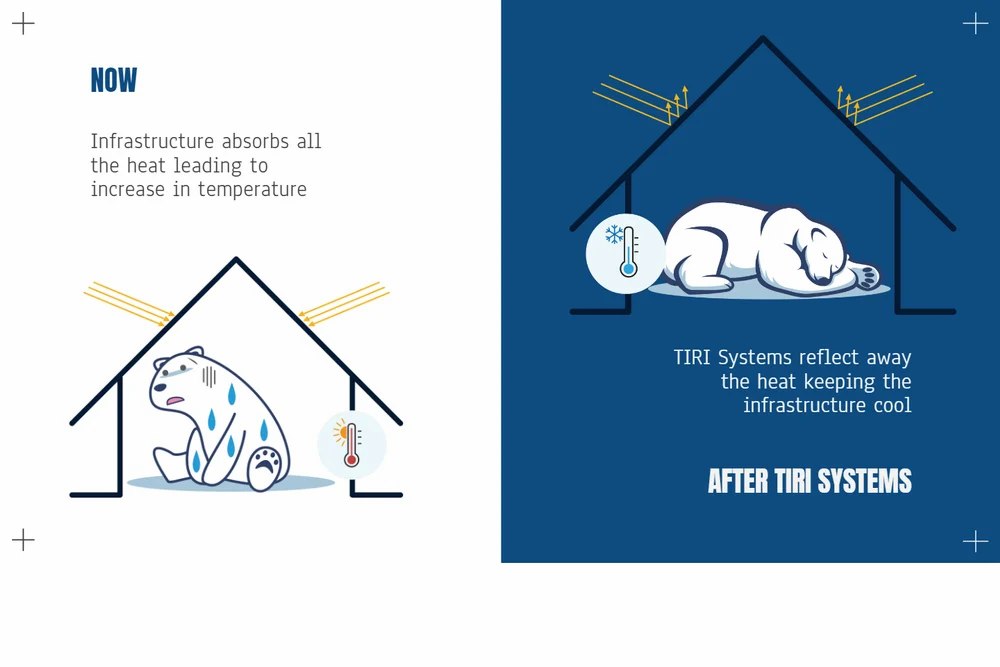
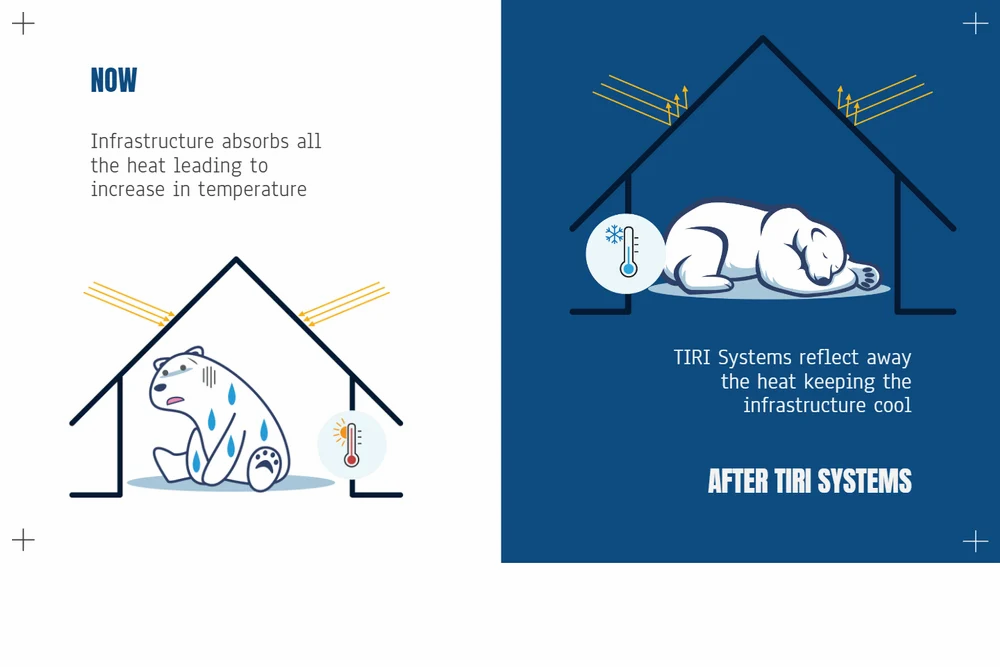
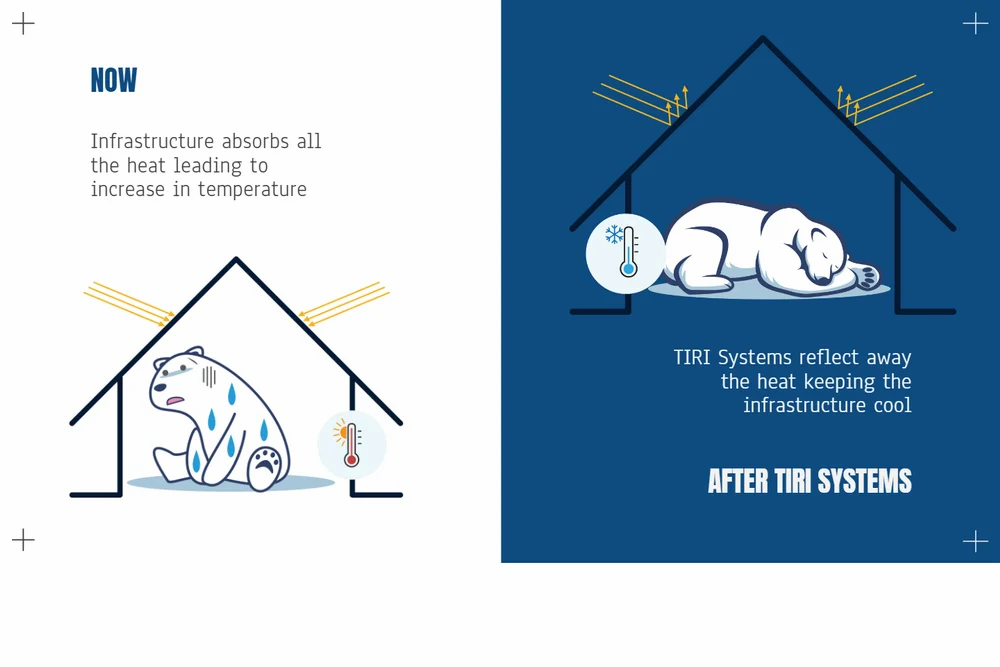
Pre engineered building insulation is one of the ideal choices for larger construction sites or building at remote locations where you cannot find much of the installation services easily. Such insulation material when installed correctly, drastically reduce the heat transfer through the roof surface. It useful in all circumstances where there is a bigger temperature difference, higher heat flow or a naturally hot space to a cooler space. It is also useful to maintain a comfort in the winter as it prevent the inside heat to loss in the outer environment. While in summer, it prevents the higher heat that is generated outside entering inside the house. Statistics shows that almost 50% of energy used inside the house is to maintain a specific temperature in hot or cold. And that is why it makes sense to use pre engineering building insulation material to reduce the energy consumption and increasing cost savings. For industrial purposes as well as house insulation there are two types of material used; they are bulk insulation and reflective insulation. Bulk insulation materials in some cases are not equally efficient as it does not have the capacity to absorb higher amount of heat inside. And sooner or later it shows the signs of wear and tear due to heat. It requires good amount of money to repair it or to renovate the insulation material. The reflective pre engineered building insulation material has advantage over the bulk insulation material. As it used to attach outside the walls or at the top of the roof, it simply reflect the heat and other radiation rather than simply allowing it to enter into the building. There are very little chance of absorption as aluminum reflects most of the heat from outside and keeps the house at maintained temperature. Use of pre engineering building insulation material as insulation will ensure that the sun rays and heat are well bounce from outside and keeps the room in right temperature. Pre engineered building insulation is used in industrial as well as residential constructions. Aluminum material on both of the side and sandwiched HDPE Woven Fabric material happens to be the most favorite combination for reflective insulation. Moreover, there is not heat or thermal absorption involved so there is a very little question about heat transmission and you can go heat insulated for many years.PEB Insulations Materials Characteristics:Perfect uniformity, test on line in process. High barrierThe material provides excellent insulation: reflects up to 97% of radiant energy in addition to reflective sheeting resisting other types of heat transfer from conduction, convction, and radiation. The side of metalized PET forms an effective barrier against moisture, air currents and vapors.Clean, thin and light weightOutstanding safety and environmentally friendly.Easy to install, high efficiency.Cost effective and versatile.
PEB Insulations Materials Usage : PEB Insulations Material is economical solution for a wide range of industrial, manufacturing, packaging and consumer application. Such as for industrial sheds, commercial buildings, home insulation, under wood or laminated flooring, roof insulation, carpet underlay and construction, packaging material to the sensitive products.
Advanced Thermal ProtectionThis PEB Insulation utilizes a double layer of aluminium foil and aluminium, delivering superior thermal resistance suitable for varied industrial applications. Its 8 mm thickness ensures optimal energy retention, assisting in climate regulation and cost savings for businesses.
Quality Assurance and DurabilityEngineered using only good quality materials, this insulation is designed to endure rigid industrial environments. Backed by a one-year warranty and manufactured in India, users are assured of consistency, reliability, and trusted after-sales support.
FAQ's of PEB INSULATION:
Q: How is the PEB Insulation installed in industrial settings?
A: PEB Insulation is typically installed by securing the aluminium layers onto the surfaces to be insulated, such as walls or roofs, using adhesives or mechanical fasteners. Professional installation is recommended for optimal performance.
Q: What benefits does the double-layer aluminium construction provide?
A: The double-layer design enhances thermal resistance, helping minimize heat gain or loss in industrial environments. This leads to improved energy efficiency and a comfortable working atmosphere.
Q: When should PEB Insulation be used in a project?
A: PEB Insulation is ideal for use at the construction or renovation stage of industrial infrastructure, particularly when regulating temperature and energy efficiency are important priorities.
Q: Where is PEB Insulation most commonly applied?
A: This insulation is widely applied in factories, warehouses, and other industrial buildings where controlling internal temperatures is crucial for operations and storage.
Q: What is the process for exporting PEB Insulation from India?
A: As an exporter, you need to coordinate with the manufacturer or supplier for documentation, logistics, and compliance with international standards to ensure smooth shipment from India to the destination country.
Q: How does PEB Insulation contribute to operational efficiency?
A: By reducing unwanted thermal exchange, PEB Insulation helps lower energy consumption for heating or cooling, resulting in significant cost savings and enhanced operational efficiency.
Q: What is the typical lifespan and warranty coverage of this insulation?
A: The insulation is covered by a one-year warranty, and with proper installation and maintenance, it is designed to provide long-lasting performance, especially in industrial environments.
 GST : 06AAJCT1361M1Z3
 Call Us:- 07971549101







 Get A Quote
 Send Inquiry

 Send Inquiry
 Send SMS
 English
 Spanish
 French
 German
 Italian
 Chinese (Simplified)
 Japanese
 Korean
 Arabic
 Portuguese