Roof Thermal Insulation About
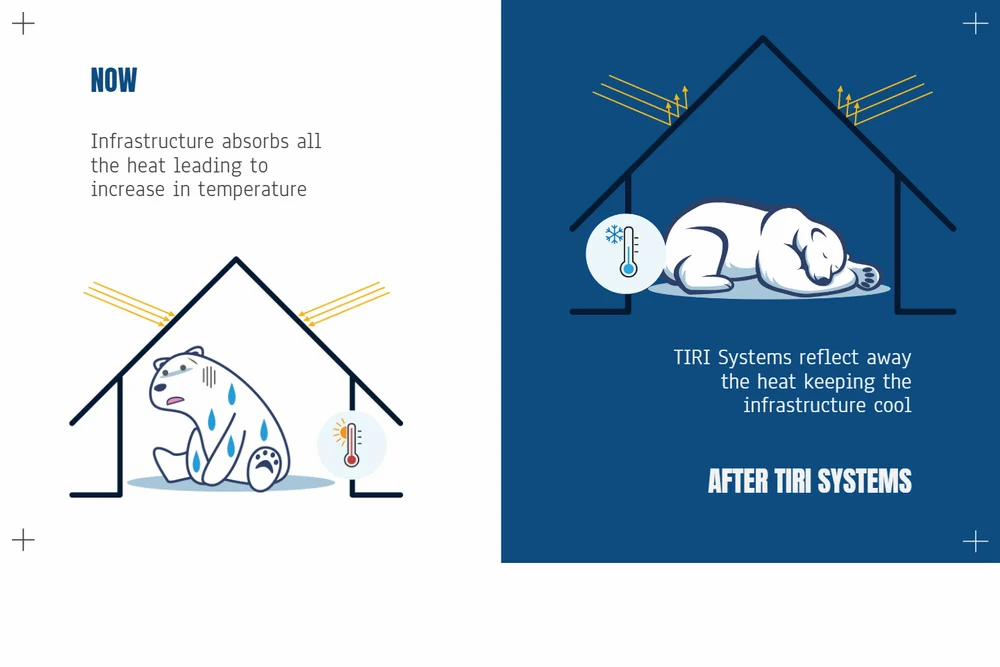
Roof thermal insulation is a building system designed to minimize heat transfer through the roof, enhancing energy efficiency, lowering utility bills, and creating a comfortable interior temperature. Materials like aluminum foil, foam boards, mineral wool, or specialized tiles create a barrier against solar heat gain in summer and heat loss in winter
- Mechanism: Functions by reflecting thermal radiation (aluminum foil), slowing conduction (insulation boards), or creating trapped air pockets (hollow tiles, bubble insulation).
- Common Materials:
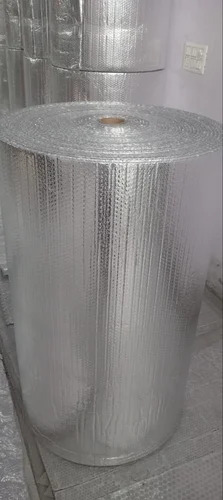
- Reflective Insulation: Double-sided aluminum foil with polyethylene air bubbles, capable of reflecting up to 97% of radiant energy.
- Rigid Foam Boards: EPS, extruded polystyrene (XPS), or Neopor (graphite-enhanced) are stable, lightweight, and offer high thermal resistance (-value).
- Mineral Wool: Rockwool is effective for high-temperature resistance.
- Passive Systems: Hollow clay tiles provide a traditional, durable insulating barrier.
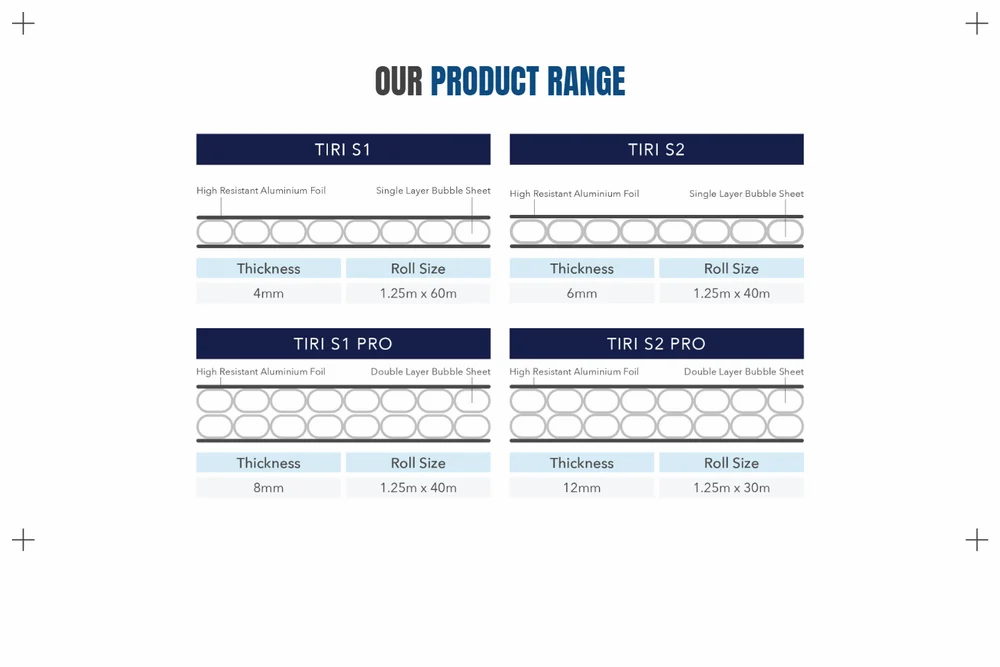
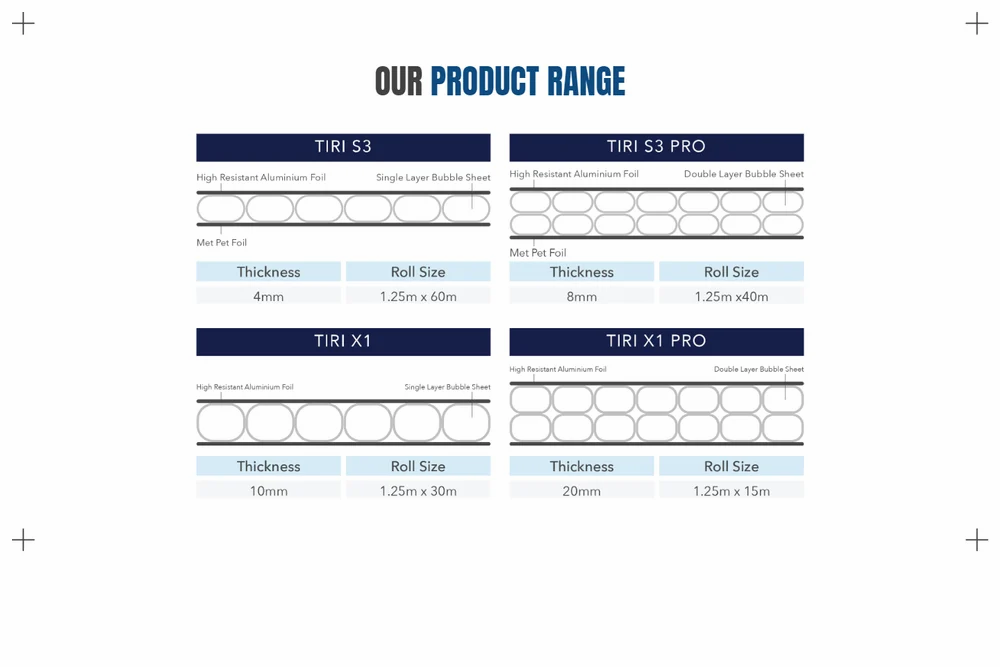
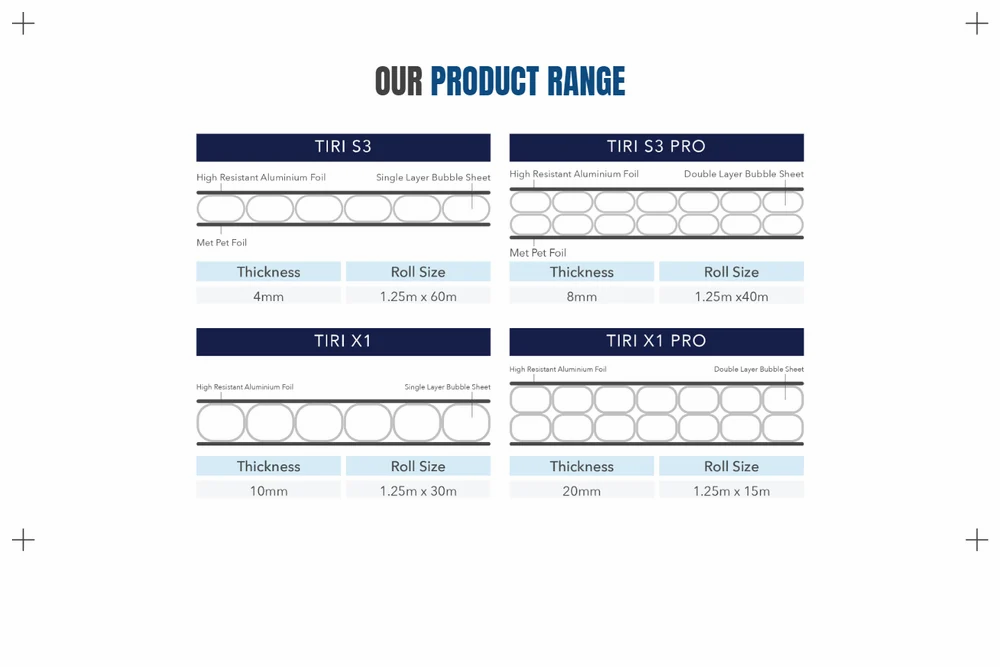
Efficient Thermal Protection for Industrial RoofsDesigned for commercial and industrial structures, this insulation material leverages the reflective properties of aluminum foil and the thermal resistance of XLPE foam. The double-layer construction maximizes temperature control, reducing heat transfer and enhancing overall energy efficiency. Its 19mm and 8mm thickness options provide flexibility for different installation requirements.
Durable and Long-Lasting MaterialOur roof insulation is built with robust aluminum and XLPE materials, guaranteeing resilience in harsh industrial environments. The standard sizing and ease of application allow for seamless integration into diverse roofing systems. With proper installation, this product delivers lasting performance, backed by a one-year manufacturer warranty.
FAQ's of Roof Thermal Insulation:
Q: How does the TIRI XLPE 19mm insulation improve energy efficiency in industrial roofs?
A: The TIRI XLPE 19mm insulation uses advanced cross-linked polyethylene and an aluminum foil layer to reflect radiant heat and reduce thermal conductivity. This significantly lowers the temperature inside industrial buildings, reducing cooling system load and contributing to energy savings.
Q: What is the recommended process for installing this double-layer thermal insulation?
A: Installation should begin with a clean, dry roof surface. The insulation roll should be unrolled to cover the entire area, ensuring the aluminum foil side faces outward. It is then secured using industrial adhesives or mechanical fasteners as suited for the roof type, allowing for effective thermal performance.
Q: When should industrial facilities consider installing roof thermal insulation?
A: Industrial facilities should consider installing roof thermal insulation during new construction or when upgrading existing roofing systems, especially if experiencing high energy costs or significant indoor temperature fluctuations. Installation is suitable at any stage of the year, but pre-summer months often maximize cooling benefits.
Q: Where can this insulation material be effectively used?
A: This insulation is designed for a wide range of industrial applications, including warehouses, production plants, and storage facilities, primarily for rooftop installation. Its robust, weather-resistant structure makes it suitable for various climates across India and beyond.
Q: What benefits does the double-layer feature offer over single-layer insulation?
A: The double-layer construction provides superior thermal resistance compared to single-layer alternatives. It enhances durability, minimizes heat transfer, and extends the lifespan of roofing materials, offering better energy regulation within industrial buildings.
Q: How long does the warranty cover the insulation, and what does it include?
A: The product is covered by a 1-year warranty that protects against manufacturing defects and ensures consistent performance. The warranty includes replacement or repair for qualifying issues within the stipulated warranty period.
 GST : 06AAJCT1361M1Z3
 Call Us:- 07971549101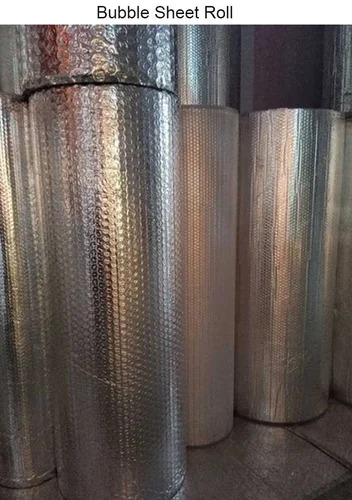






 Get A Quote
 Send Inquiry


 Send Inquiry
 Send SMS
 English
 Spanish
 French
 German
 Italian
 Chinese (Simplified)
 Japanese
 Korean
 Arabic
 Portuguese