specialized substances designed to reduce heat transfer (gain or loss) by limiting conduction, convection, and radiation. Commonly utilized in construction and industry, these materials, such as mineral wool, fiberglass, and foam, improve energy efficiency, maintain desired temperatures, and provide sound attenuation.
Key Types of Thermal Insulation Materials
Mineral Wool (Rock/Stone Wool): Spun from natural minerals, it is non-combustible, fire-resistant, and effective for high-temperature applications up to 1,000C.
Fiberglass: Made from glass fibers, this lightweight material is excellent for reducing heat transfer in buildings, though it has a lower
-value compared to mineral wool.
Polystyrene (EPS/XPS): A plastic foam material, commonly used in rigid board form for its high
per inch) and structural stability.
Polyurethane Foam (Spray/Board): A high-performance foam used to fill gaps, providing superior thermal resistance and moisture resistance.
Cellulose: Made from recycled materials, it is eco-friendly and effective for insulating wall cavities, with a
per inch.
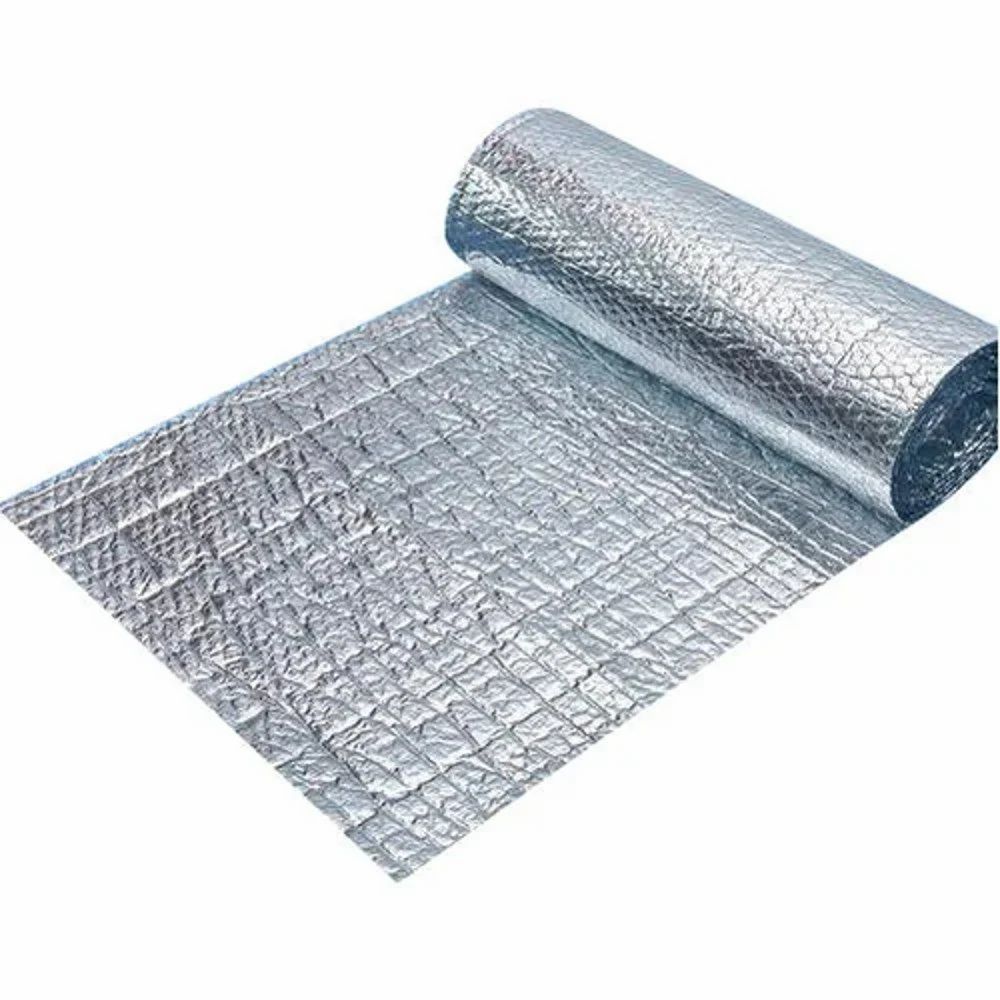
Reflective Insulation (Foil): Typically aluminum foil, this material reflects radiant heat away, often used in combination with other insulation types.
Versatile Sizing and Thickness Options
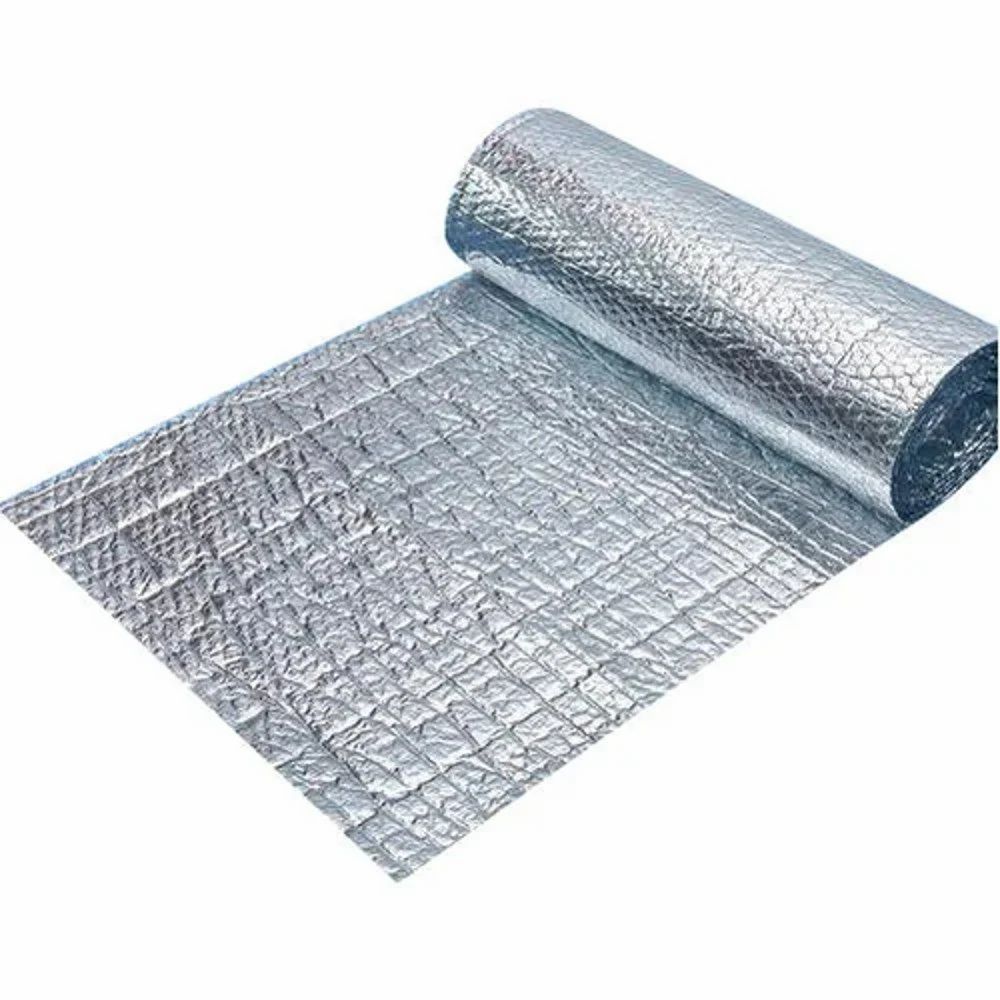
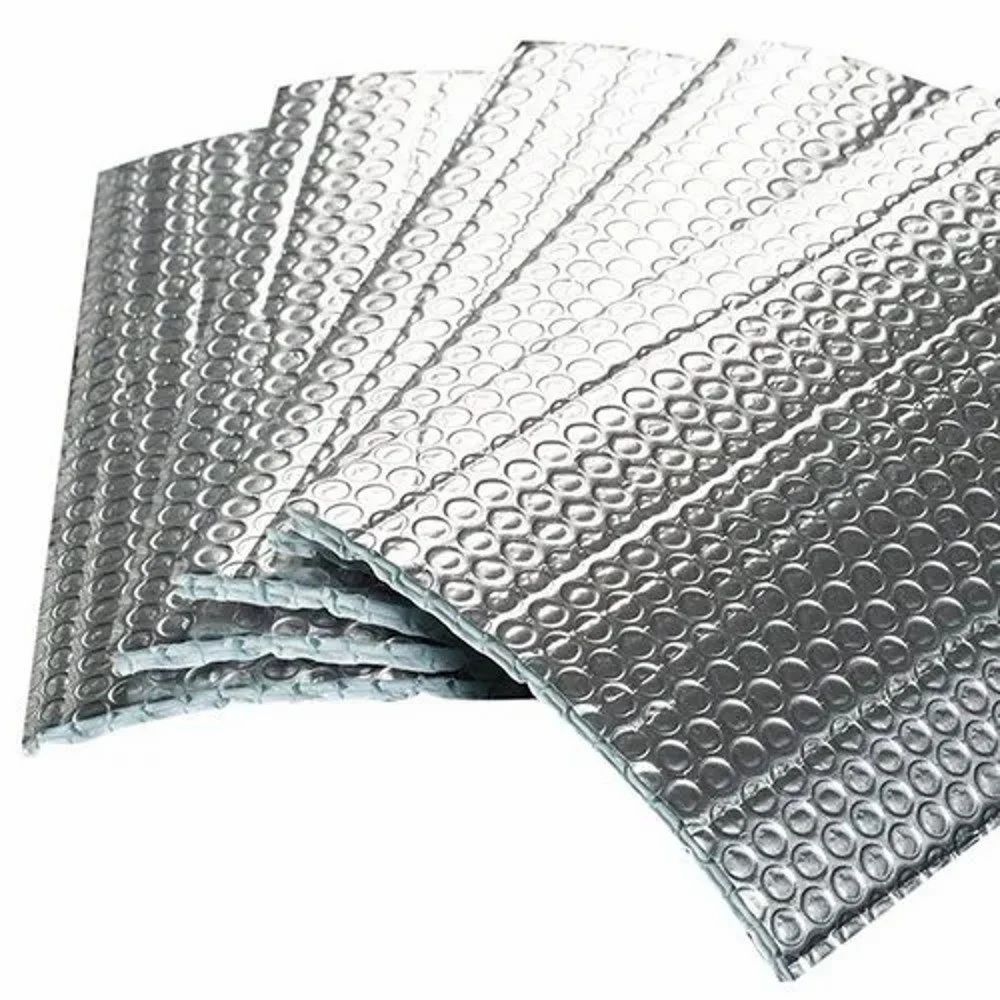
Our thermal insulation bubble materials are offered in several standard and customizable size and thickness configurations. Whether you require 4 mm or 20 mm thickness, the flexibility in length and width (like 1.2mm x 40m or 1.25m x 15m) ensures compatibility with various industrial applications, providing tailored solutions for every need.
Superior Performance and Eco-Friendly Design
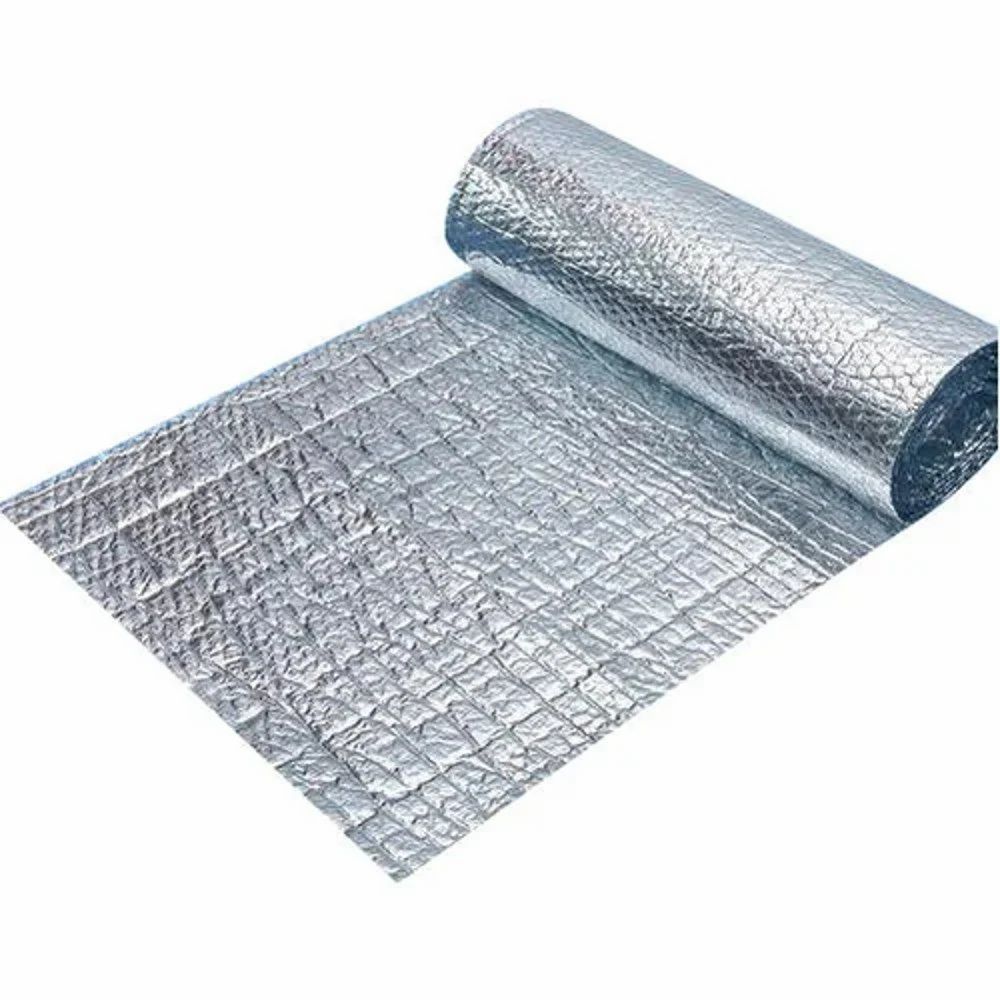
Constructed using advanced, soft bubble insulation technology, these silver-colored materials deliver high thermal resistance. Their eco-friendly composition not only conserves energy but also reduces your carbon footprint, contributing to a greener workspace without compromising on insulation efficiency.
Applications Across Industries
Widely trusted by exporters, manufacturers, and suppliers in India, these thermal insulation materials are suited for diverse industrial requirements. Their soft yet durable nature enables straightforward installation in warehouses, factories, cold storage facilities, and more, ensuring reliable performance over time.
FAQ's of Thermal Insulation Materials:
Q: How are these thermal insulation materials installed in industrial settings?
A: These materials are lightweight and flexible, making installation straightforward. They can be easily cut to size and affixed to walls, ceilings, or equipment surfaces using adhesives or mechanical fasteners, depending on the specific requirements of your facility.
Q: What are the available sizes and thicknesses for the bubble insulation?
A: Our insulation is available in standard sizes such as 1.2mm x 40m and 1.25m x 15m, with thickness options of 4 mm and 20 mm. Custom sizing is also possible to suit unique project needs, all maintaining a roll length of up to 60 meters.
Q: When is the ideal time to install thermal insulation in industrial spaces?
A: The best time to install thermal insulation is during new construction or renovation phases, before heavy machinery or shelving is in place. However, retrofitting is also feasible with minimal disruption thanks to the product's soft and flexible nature.
Q: Where can these eco-friendly insulation materials be applied?
A: They are suitable for numerous industrial spaces, including warehouses, factories, and cold storage areas. Their versatility makes them an excellent solution for wherever consistent temperature control is essential.
Q: What is the primary process involved in customizing the insulation material?
A: Customization typically involves selecting the appropriate thickness, width, and length based on your specific application. Our manufacturing team will tailor the dimensions and ship the materials prepared for straightforward installation on-site.
Q: How does using these thermal insulation materials benefit industrial operations?
A: Implementing these insulation solutions helps maintain stable indoor temperatures, reduces energy consumption, and minimizes heat loss or gain. This leads to significant energy cost savings, improved working conditions, and enhanced sustainability for your facility.
Tell us about your requirement
Price:
Quantity
Select Unit
50
100
200
250
500
1000+
Additional detail
Mobile number
Email
Name
Comapny Name
Phone Number
Email Id
City / State
Confirm Your Requirement
Verification Code
Did not receive yet?
Resend OTP
You’re Done!
We have received your requirements and will reply shortly with the best price.
 GST : 06AAJCT1361M1Z3
 Call Us:- 07971549101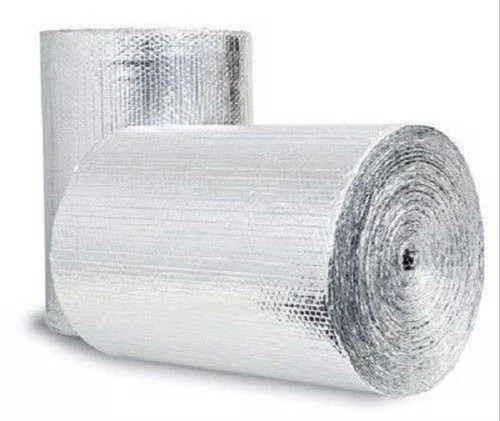






 Get A Quote
 Send Inquiry


 Send Inquiry
 Send SMS
 English
 Spanish
 French
 German
 Italian
 Chinese (Simplified)
 Japanese
 Korean
 Arabic
 Portuguese